Prenota il Catering Esclusivo : 081-5712579


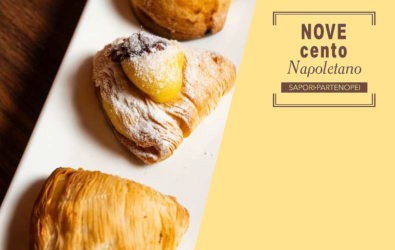
La Sfogliatella è un dolce tipico della pasticceria napoletana e si presenta in due varianti principali: può essere riccia, se preparata con pasta sfoglia, oppure frolla, se preparata con la pasta frolla.
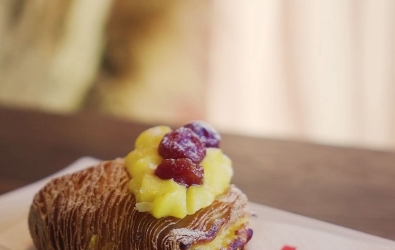
Circa 400 anni fa una monaca convento di clausura di Santa Rosa a Conca dei Marini, in provincia di Salerno, preparando il biancomangiare, un dolce composto da semola cotta nel latte, sbagliò le dosi e decise di sperimentare una nuova creazione: aggiunse all’impasto alcune gocce di limoncello, dei pezzi di susine, albicocche e pere disseccate. Pose, poi, il composto fra due “pettole” cioè pezzi di pasta di pane insaporita con mezzo bicchiere di vino, strutto e dello zucchero e alla fine pose la “grandissima sfogliata” nel forno molto caldo ed attese che si indorasse. La Badessa apprezzò molto la nuova ricetta e dispose che il dolce fosse intitolato alla santa fondatrice dell’ordine, Santa Rosa, e che fosse preparato ogni 30 agosto in occasione della festa della santa. La Santa Rosa si componeva, dunque, di molteplici e sottili sfoglie sovrapposte, era confezionato a forma di conchiglia o cappuccio, e arricchito da un cordone di crema e di marmellata di amarena. La dolce ricetta trapelò dal convento intorno al 1800 e, con alcune variazioni, come, ad esempio, un ridimensionamento della forma, la sostituzione dei frutti secchi con i canditi e l’eliminazione della crema pasticciera, divenne la specialità di un osteria del cuore della città e prese il nome di sfogliatella.
Da allora l’osteria che aveva trasformato la Santa Rosa in sfogliatella si trasformò lei stessa in un laboratorio dolciario specializzato in sfogliatelle e la ricetta del dolce si diffuse in tutte le pasticcerie della la città, sia nella sua variante riccia che in quella frolla. Oggi nella città di Napoli la sfogliatella viene continuamente sfornata ed offerta ai passanti calda, fragrante e profumata di acqua di fiori d’arancio e di zucchero a velo, ed è così famosa da essere entrata nel lessico partenopeo, in un detto che la dice lunga sulla considerazione in cui è tenuta dalla città: “Napule tre cose tene belle: ‘o mare, ‘o Vesuvio, e ‘e sfugliatelle”.
Sfogliatella is a typical Neapolitan pastry dessert and comes in two main varieties: it can be curly, if made with puff pastry, or shortcrust, if made with shortcrust pastry.
About 400 years ago, a nun at the cloistered convent of Santa Rosa in Conca dei Marini, in the province of Salerno, while preparing blancmange, a dessert made of semolina cooked in milk, got the quantities wrong and decided to experiment with a new creation: she added a few drops of limoncello, pieces of plums, apricots, and dried pears to the dough. She then placed the mixture between two “pettole,” pieces of bread dough flavored with half a glass of wine, lard, and sugar. Finally, she placed the “large pastry” in a very hot oven and waited for it to brown. The Abbess greatly appreciated the new recipe and ordered that the dessert be named after the order’s foundress, Saint Rosa, and that it be prepared every August 30th, her feast day. The Santa Rosa was therefore made of multiple thin layers of pastry, layered one on top of the other, shaped like a shell or hood, and topped with a layer of cream and black cherry jam. The sweet recipe leaked from the convent around 1800 and, with some variations—such as a smaller shape, the replacement of dried fruit with candied fruit, and the elimination of the custard—became the specialty of a tavern in the heart of the city and took the name sfogliatella.
Since then, the inn that had transformed the Santa Rosa into a sfogliatella itself has become a pastry shop specializing in sfogliatelle, and the recipe for the dessert has spread to all the city’s pastry shops, both in its curly and shortcrust versions. Today, in Naples, sfogliatella is constantly baked and offered to passersby, hot, fragrant, and scented with orange blossom water and powdered sugar. It is so famous that it has entered the Neapolitan lexicon, in a saying that speaks volumes about the city’s regard for it: “Naples has three beautiful things: the sea, Vesuvius, and the sfogliatelle.”
Sapori partenopei